


Idem Caregiver Resources
Your trusted resource for daily caregiving tips and cognitive well-being.
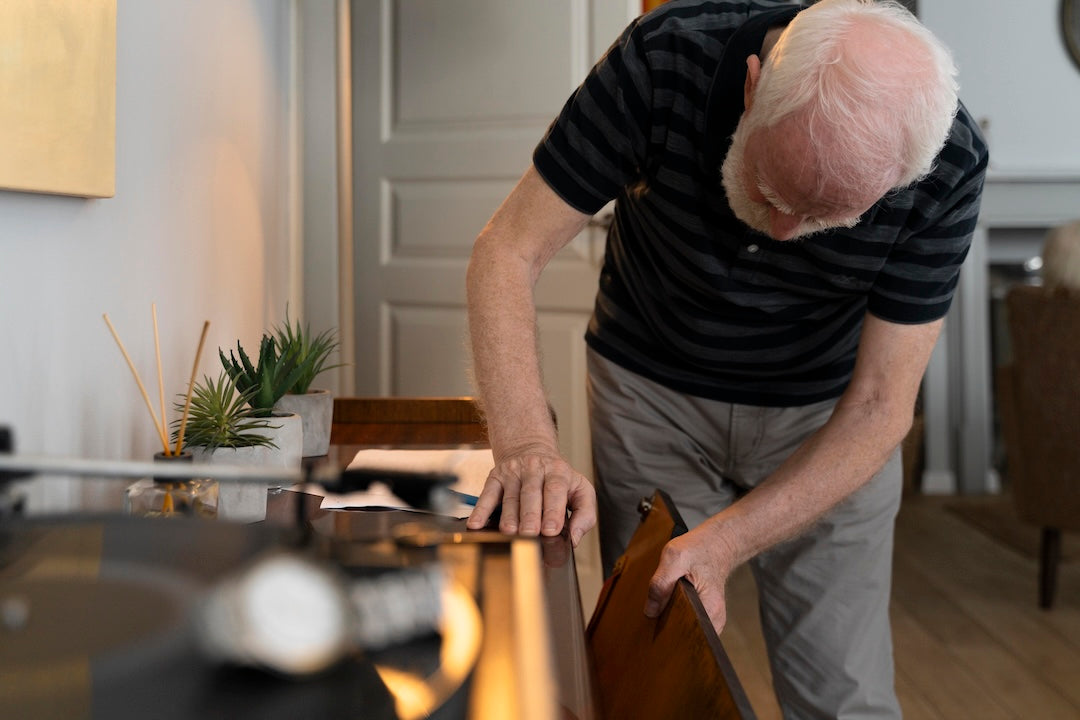
How cognitive changes can affect safety at home
The first changes families notice at home often have little to do with memory. Here’s how dementia can affect vision, balance, and everyday routines, with practical home adjustments that respect your loved one’s independence.
Read moreabout How cognitive changes can affect safety at home

Timing Matters: A Conversation About Early Dementia Diagnosis and the Value of Time
On World Alzheimer's Day, Paul D. Lea, who lives with vascular dementia, joined caregiver advocates Ron Beleno and Joanne Pasquin to talk about what timing has meant in their journeys. They talked about what the early stages looked like, how the sense of time changes with dementia, and which tools and supports helped along the way. Watch the full conversation and read the practical tips they wish they'd had earlier.
Read moreabout Timing Matters: A Conversation About Early Dementia Diagnosis and the Value of Time

Understanding early dementia: Signs worth noticing, the diagnosis process, and what comes after
The early signs of dementia can be easy to brush past: a repeated question, a word that won't come, or a familiar route that suddenly feels uncertain. This article walks through what those signs can mean, how a diagnosis comes together step by step, and what life can look like after, for individuals and the families walking alongside them.

Why Falls Happen As We Age And What Actually Helps
More than one in four older adults falls each year, but falls are rarely about one single cause. Here's what the research says actually contributes to falls, from strength and medications to home lighting, and what tends to help most.
Read moreabout Why Falls Happen As We Age And What Actually Helps

Keeping Video Calls Accessible Throughout Your Loved One's Journey with Dementia
Introducing Auto Connect: a new way to keep video calls accessible on the Idem Smart Clock for loved ones who may not always be able to answer in time, so you can stay connected at every stage of the journey.
Read moreabout Keeping Video Calls Accessible Throughout Your Loved One's Journey with Dementia

Getting Outside Again: The Benefits of Spring Walks for People Living with Dementia
As the season changes, getting outside can do more than lift your spirits. For people living with cognitive changes, gentle walks offer real benefits for sleep, mood, and memory. Here's how to make it work.
Read moreabout Getting Outside Again: The Benefits of Spring Walks for People Living with Dementia
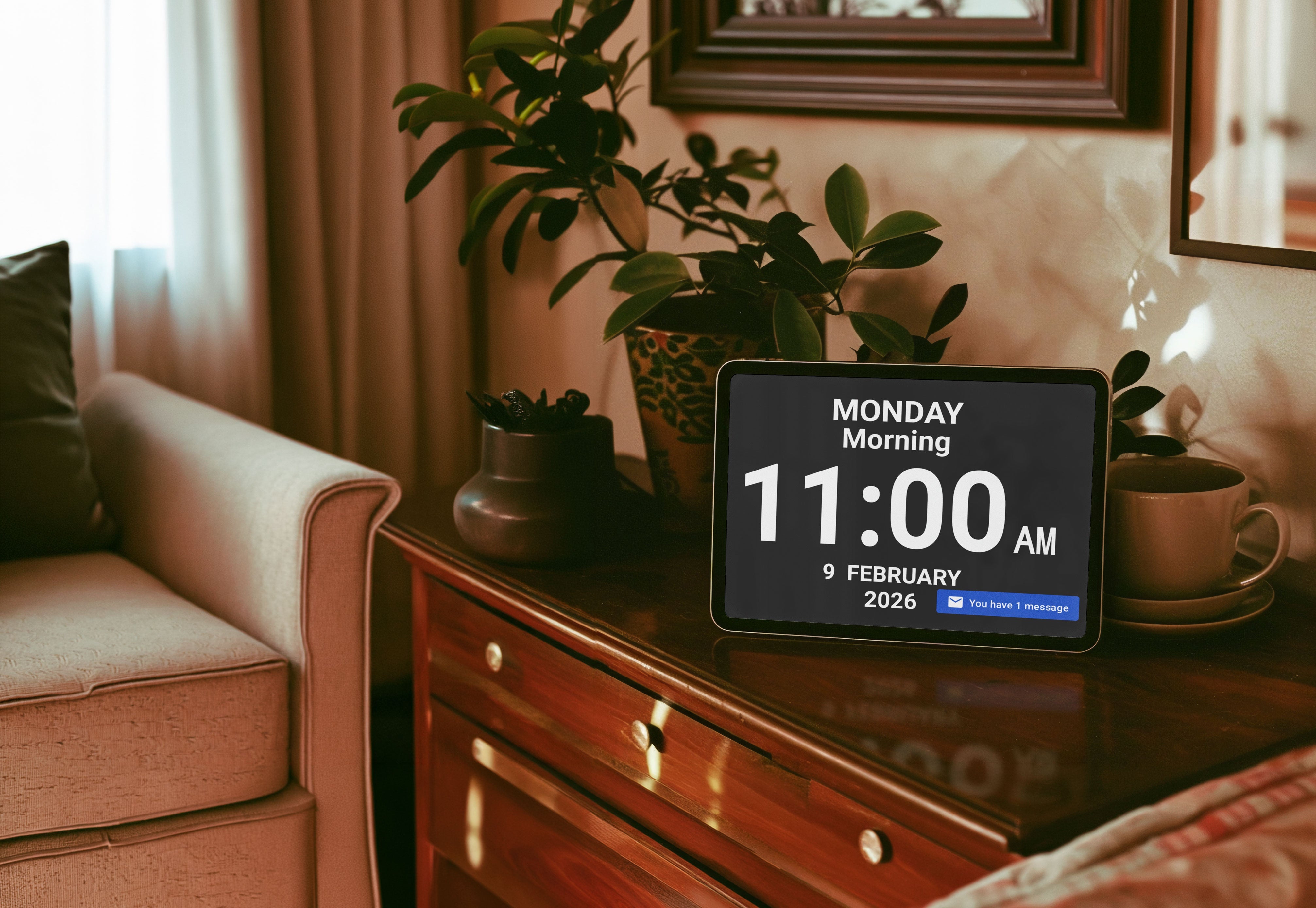
Introducing access to unread messages with Premium
A new feature for Idem Premium subscribers: messages can now be accessed for up to 12 hours after they're sent. Learn why we made this change and how it can help your family.
Read moreabout Introducing access to unread messages with Premium

How to Support a Caregiver (From Caregivers Themselves)
Caregiving can make you feel alone, even when you're surrounded by people who care about you. We asked caregivers what they wish their friends and family understood, and how they can actually help. From specific offers to flexible plans, here's what makes a real difference.
Read moreabout How to Support a Caregiver (From Caregivers Themselves)

Caring for Someone When the World Feels Heavy
The news feels heavy. The world feels uncertain. And yet, caregiving continues every single day. If you're struggling to hold space for what's happening in the world while still showing up for your loved one, you're not alone in that weight. This article is for caregivers who are carrying both.
Read moreabout Caring for Someone When the World Feels Heavy